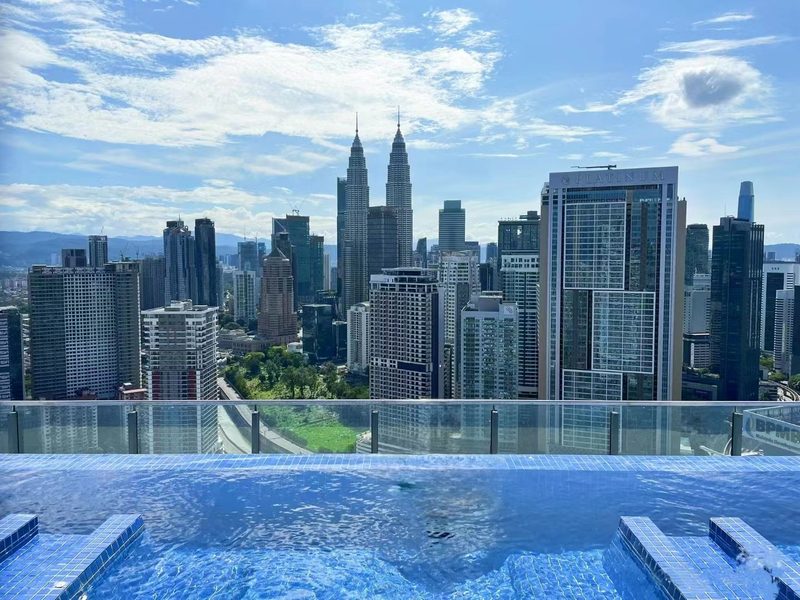

Things to Do in Malaysia in August
August weather, activities, events & insider tips
Shoulder Season · Good Value
August Weather in Malaysia
Long-run averages for August in Kuala Lumpur
91°F (32°C)
High Temp
76°F (24°C)
Low Temp
6.9 inches (175 mm)
Rainfall
78%
Humidity
11
Rainy Days
12
Sunny-Day UV
⚠ Severe thunderstorms and flash flooding can strike Kuala Lumpur during afternoon downpours. Never walk or drive through flooded streets. Dangerous.
Is August Right for You?
Weigh the advantages and considerations before booking
Advantages
- + The weather is predictable here. The southwest monsoon fades on the peninsula's west coast. Kuala Lumpur gets those classic tropical afternoon showers. They are short, sharp downpours. They clear the air. The evening smells of wet earth and frangipani.
- + Crowds are thinner now. The June-July school holidays have passed. You can walk into Georgetown's famous Kek Lok Si temple. No queue. You can find quiet sand on Langkawi's Pantai Cenang. No towels covering it.
- + It's a sweet spot for value. Airfares and hotel rates dip after the peak summer rush. They rise again before the end-of-year holiday increase. Beachfront resorts and KL city-center hotels become more accessible.
- + The durian season is in full swing. Pungent. This is when markets and roadside stalls carry the best selection. The 'king of fruits' awaits. Try the creamy Mao Shan Wang. Try the bittersweet D24. This ritual defines late summer for locals.
Considerations
- − The east coast is different. Islands like Perhentian and Tioman sit deep in the northeast monsoon's offseason. Most resorts and dive shops are shuttered. Boat services are unreliable or cancelled. That whole region is effectively closed for tourism.
- − The humidity in Kuala Lumpur and Penang hits hard. By mid-morning, it feels like a warm, damp towel wrapped around you. It can be exhausting if you're not used to it. A simple walk to a hawker stall becomes a full-body workout.
- − The west coast is drier. Still, KL averages 11 rainy days. Plan around them. A poorly timed downpour can wash out an afternoon of sightseeing. The resulting traffic gridlock brings impatient horns and steaming asphalt.
Best Activities in August
Top things to do during your visit
August in Malaysia follows a specific, predictable rhythm. The average high of 91 degrees Fahrenheit brings steady, enveloping warmth, while the average low of 76 offers little respite from the tropical heat. With an average of 6.9 inches of rainfall, this month sits in a drier pocket between the heavier monsoons. Brief, intense afternoon showers remain a daily possibility, on the peninsula's west coast. Locals navigate the humidity with practiced ease. They seek refuge in air-conditioned malls or beneath the dense canopy of rainforests. For visitors, August presents a window where outdoor plans are less likely to be disrupted by prolonged downpours. It is a practical month for exploring both the storied streets of colonial cities and the green fringes beyond them. The pace feels less frantic than peak holiday seasons. This allows for more measured discovery of Malaysia's complex layers. The search for things to do in Malaysia often leads to its cultural crossroads. August's weather patterns are favorable for the day trips that unlock this history. While the east coast beaches face their annual peak monsoon season, the western cultural corridor from Kuala Lumpur to Malacca is reliably accessible. This is a time for urban exploration and craft. You can smell the charcoal smoke from satay vendors in a night market. You can feel the cool marble underfoot in a century-old temple. You can hear the echoing calls to prayer blending with the sizzle of woks. Planning a Malaysia itinerary now leans toward the peninsula's interior and western heritage sites. The climate table shows a comparative lull in rainfall here. It is a month for tangible experiences: painting wax onto cloth, watching fireflies pulse in synchrony over a river, and tasting the tangy, tamarind-laced gravy of a proper Nyonya laksa.
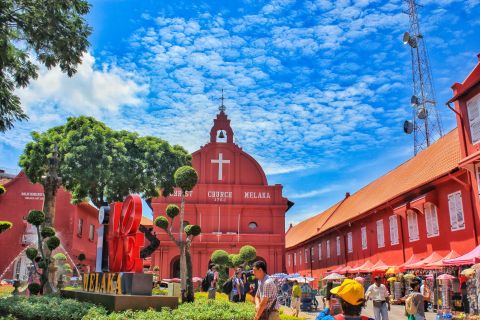
From Kuala Lumpur: Historical Malacca Tour with Lunch option
culturalA journey from Kuala Lumpur to Malacca traverses centuries. You will see Dutch-era salmon-red buildings standing beside Chinese shop houses adorned with intricate tiles. The tour often includes tasting the distinct, coconut-rich flavors of Peranakan cuisine and hearing stories of sultanates and colonial trade.
It condenses the sweeping narrative of Malaysian port history into a single, walkable cityscape where every street corner reveals a different architectural epoch.
Insider tip: Visit the Cheng Hoon Teng temple early in your free exploration time. Experience its quiet, incense-scented atmosphere before the midday heat peaks.
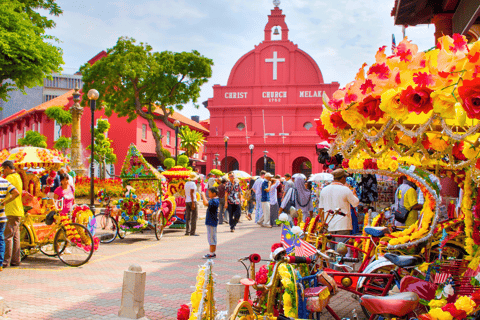
Kuala Lumpur: Malacca Day Trip with River Cruise and Lunch
cruiseThis Malacca excursion adds the perspective of its important river. You will glide past murals and old warehouses, feeling the cool river breeze contrast with the humid air. Later you will sample dishes like savory chicken rice balls.
The river cruise has a unique, tranquil vantage point to understand how this waterway shaped the city's fortune. This view is completely separate from its crowded streets.
Insider tip: Opt for a later lunch seating at the included restaurant. Avoid the peak noon rush and enjoy a more relaxed meal.

Batik Bag Painting Workshop by myBatik
otherIn this hands-on workshop, you will feel the resistance of pulling molten wax through a *canting* tool onto cotton. You will smell the faint, earthy scent of the dye baths. You will create a bag patterned with traditional motifs like leaves or waves.
It transforms you from an observer of Malaysian craft into a practitioner. You leave with a personal, usable piece of art.
Insider tip: Wear clothes you don't mind getting splashed with small drops of wax or dye. The process is immersive and tactile.
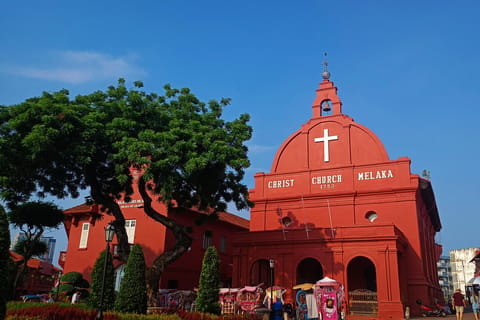
From Kuala Lumpur: Full-Day Tour to Malacca
day_tripA complete exploration of Malacca, this tour typically involves seeing the faded crimson of Stadthuys, hearing the multilingual chatter in Jonker Street, and feeling the worn steps of St. Paul's Hill underfoot.
It provides a thorough, guided framework for first-time visitors to grasp Malacca's layered Portuguese, Dutch, and British influences without logistical hassle.
Insider tip: Carry a small umbrella or poncho. August showers can arrive abruptly during walking segments, though they usually pass quickly.

Firefly Tour Johor Bahru@Kota Tinggi Firefly Park
guided_experienceAs dusk settles over the Kota Tinggi riverbanks, you will see thousands of tiny lights flickering in the mangrove trees. You will hear the gentle lapping of water against the boat. You will feel the notable quiet of the night jungle.
It is a rare opportunity to witness a natural phenomenon where fireflies congregate and flash in unison, creating a mesmerizing, star-like effect on the river's edge.
Insider tip: Apply insect repellent to ankles and wrists before boarding the boat. Mangroves are home to mosquitoes, in the still evening air.

Rainforest-Cascading Waterfall & Batu Cave (Private Tour)
private_tourThis private tour contrasts the spiritual and the natural. You will see the towering gold statue of Lord Murugan at Batu Caves. You will feel the mist from a secluded rainforest waterfall on your skin. You will hear the chorus of cicadas in the jungle.
It combines two of Malaysia's most well-known sensory experiences, the awe-inspiring scale of a limestone cave temple and the refreshing plunge of a jungle cascade, in a single, flexible outing.
Insider tip: Wear sturdy, water-friendly shoes with good grip. The paths around the waterfall are sometimes slippery, and the steps at the caves are steep.
Where to Stay in Malaysia in August
Hand-picked hotels across price tiers for August travellers.
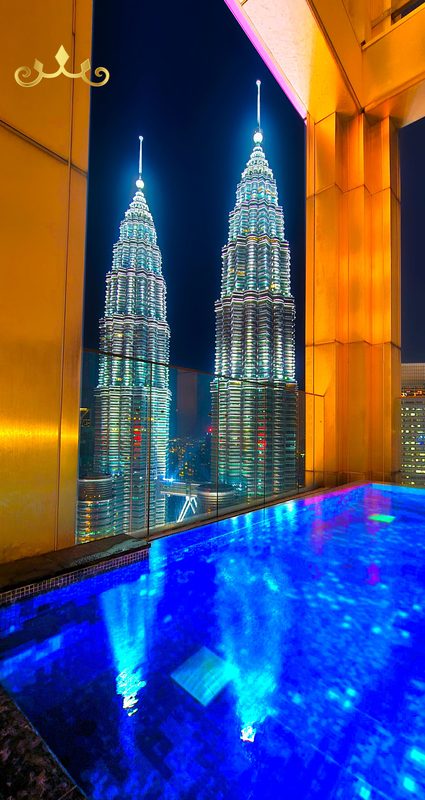
★★★★
Mid-Range
Tropicana the residence klcc Kuala by gold suites
From $54 / night
Check Prices on Trip.com →
Public Holidays in August
Dates that affect opening hours, transport and crowds
Prophet Muhammad's Birthday
Observed nationwide as a public holiday. This date depends on observation rather than a fixed calendar, so confirm it locally closer to the time. Date not yet confirmed.
National Day
Observed nationwide as a public holiday. Date calculated from the national holiday calendar.
Prophet Muhammad's Birthday
Observed nationwide as a public holiday. This date depends on observation rather than a fixed calendar, so confirm it locally closer to the time. Date not yet confirmed.
National Day
Observed nationwide as a public holiday. Date calculated from the national holiday calendar.
Packing Checklist
Bookmark this page — your progress is saved between visits
Need the full list with shopping links?
Climate-specific gear, brand recommendations, and what to leave at home.
View Malaysia Packing List →Essential Tips
Insider knowledge and common pitfalls to avoid
Insider Knowledge
Eat durian like locals do. Buy from a dedicated stall. Have them crack it open there. Eat immediately with your hands. Never bring it into hotels or taxis. The smell is banned.
Find the best *nasi lemak* at roadside *gerai* early morning. Look for banana-leaf packets. Eat it fresh. The sambal tastes brighter. The heat hits cleaner.
Do not hail cabs on KL streets. Download Grab instead. It is Southeast Asia's Uber. Prices are fixed upfront. No 'broken meter' games.
Caught in a sudden downpour near a mall? Head upstairs to the food court. Sample a dozen Malaysian dishes in one air-conditioned stop. Smart move.
Avoid These Mistakes
Skip the East Coast islands. Perhentian and Tioman are closed. Full stop. Do not waste time and money learning this the hard way.
Avoid outdoor activities from 11 AM to 3 PM. The heat and humidity punish. Schedule museums, malls, or long lunches instead. Your body will thank you.
Respect the sun. UV index 12 burns unprotected skin in under 15 minutes. Sunscreen, hat, and shade are not optional. They are essential.
Ready to plan your trip to Malaysia?
Now that you've got the research covered, here's where to go next.
Explore More Activities in Malaysia
Didn't see anything interesting yet?
Browse Viator's full catalog of tours, day trips, food experiences, and private guides in Malaysia.
See All Malaysia Tours on Viator