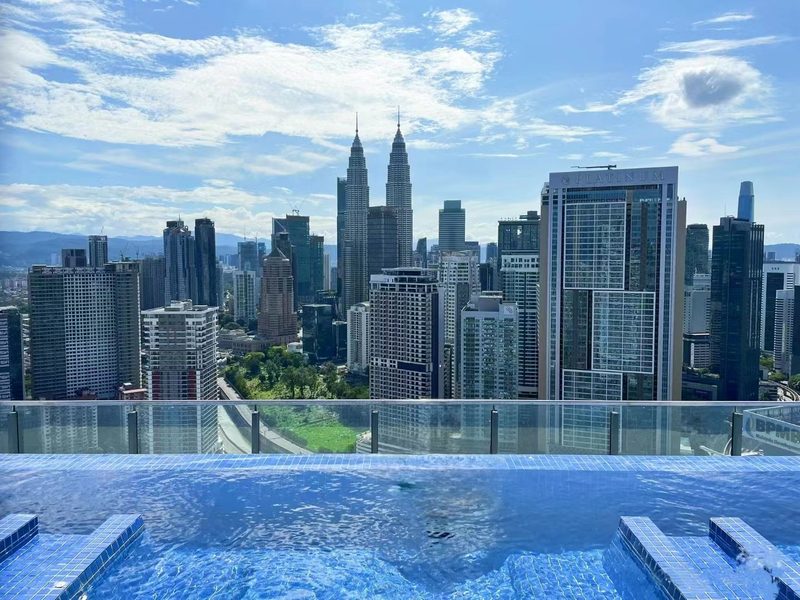

Things to Do in Malaysia in September
September weather, activities, events & insider tips
Low Season · Budget Friendly
September Weather in Malaysia
Long-run averages for September in Kuala Lumpur
90°F (32°C)
High Temp
75°F (24°C)
Low Temp
8.7 inches (221 mm)
Rainfall
80%
Humidity
13
Rainy Days
12
Sunny-Day UV
⚠ Watch for sudden afternoon thunderstorms. Flash flooding hits urban areas hard. Never walk or drive through flooded streets.
Is September Right for You?
Weigh the advantages and considerations before booking
Advantages
- + Crowds remain thin compared to summer's crush. You'll have space at the Petronas Towers skybridge and room to breathe on the Batu Caves staircase. Decent photos without twenty strangers photobombing? Possible now.
- + Forests hit peak green after dry months. Lata Iskandar near Cameron Highlands roars. Taman Negara National Park's waterfalls increase with intent. Highland air carries damp earth and moss, sharp and clean.
- + Durian season winds down in Penang and Pahang. Balik Pulau stalls still reek of custardy gold. Roadside vendors toward Genting Highlands hold stock. Peak season's bidding wars have faded.
- + Hotel rates and domestic flights sit in a sweet spot. June-August peaks have passed. Year-end surges haven't hit. Rooms with views cost less now.
Considerations
- − Afternoon showers hit daily, west coast. Kuala Lumpur's 3 PM thunder is clockwork. Rain drums zinc roofs, heavy and sudden. Jalan Alor floods ankle-deep for an hour.
- − That calm skips east coast islands. Perhentian and Redang resorts shutter in September. Boat runs thin. Restaurants close. The vibe turns end-of-term sleepy.
- − Kuala Lumpur and Penang humidity smothers. Step outside into a warm, wet towel. Eighty percent stickiness wins fast. Two blocks in George Town and your shirt clings.
Best Activities in September
Top things to do during your visit
In Malaysia, September occupies a quiet corridor between seasons. The equatorial air is warm, with average highs around 32 degrees Celsius, and the landscape receives a moderate 221 millimeters of rain, more than the drier months of June and July but less than the impending monsoon crescendo of November. This is a month of transition, where the rhythm of life adjusts to the returning showers, often brief and intense in the late afternoons. Locals carry on with daily routines. But you might notice a slight quickening in the pace of market vendors as they secure tarps against a sudden downpour. The light in Malaysia in September has a particular clarity after a rain, washing the streets and leaving the foliage glistening under a clearing sky. For visitors, this month has a balance. The famous humidity is present but often tempered by these passing rains, and the crowds common during peak holiday periods have yet to arrive. It is a practical time for exploration, where you can plan full days with the reasonable expectation of sunshine. Yet feel the relief of a cool breeze when dark clouds gather over the Petronas Towers. The weather patterns invite a flexible itinerary, perhaps a morning spent outdoors followed by an afternoon examining the cool, fragrant interior of a heritage shop-house. The specific conditions make certain activities rewarding, from the sight of fireflies blinking in riverine forests to the feel of hand-painted batik drying in a studio's humid air.
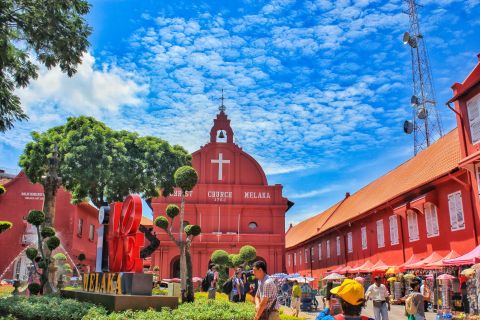
From Kuala Lumpur: Historical Malacca Tour with Lunch option
culturalFrom Kuala Lumpur, a journey to Malacca reveals the layered history of Malaysia. You will walk on sun-warmed cobblestones in the old Dutch Square, seeing the salmon-red walls of Christ Church and hearing the creak of wooden trishaws decorated with plastic flowers. The tour often includes the smell of nutmeg and cloves wafting from antique shopfronts in Jonker Street and the taste of Peranakan laksa, a tangy and coconut-rich noodle soup.
This tour distills centuries of Portuguese, Dutch, and British influence into a single, tangible day, centered on a living UNESCO World Heritage site.
Insider tip: If your tour includes the option, take lunch at a restaurant specializing in Peranakan cuisine to taste the unique fusion that defines Malacca's culture.
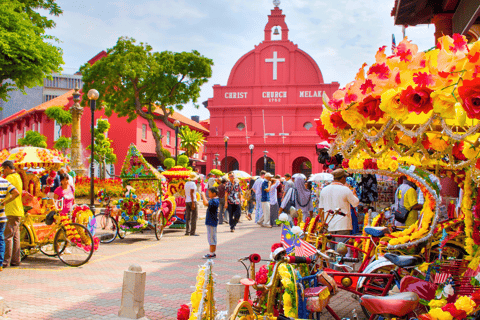
Kuala Lumpur: Malacca Day Trip with River Cruise and Lunch
cruiseThis Malacca day trip incorporates a perspective from the water, gliding along the murky green Malacca River past centuries-old warehouses with fading murals. You will see renovated shophouses with cascading bougainvillea and hear the gentle putter of the boat's engine as it passes under low bridges. The experience contrasts the crumbling, moss-stained backs of buildings with their brightly painted facades facing the street.
The river cruise provides a silent, often overlooked narrative of the city's mercantile past, revealing a view unchanged in essence for hundreds of years.
Insider tip: Sit on the left side of the boat facing forward for the best views of the most detailed historical murals along the riverbank.

Batik Bag Painting Workshop by myBatik
otherThe Batik Bag Painting Workshop by myBatik is a tactile immersion into a national craft. In a studio often filled with the faint, acrid smell of molten wax, you will feel the smooth texture of cotton and the delicate weight of the canting tool as you trace your own design. The process is meditative, focused on the sight of busy dyes bleeding into the fabric's fibers.
This hands-on session moves beyond observation to the intimate feel of creating a wearable piece of Malaysian art.
Insider tip: Wear clothes you do not mind getting dye on, and choose a simple geometric pattern for your first attempt to ensure a satisfying result.
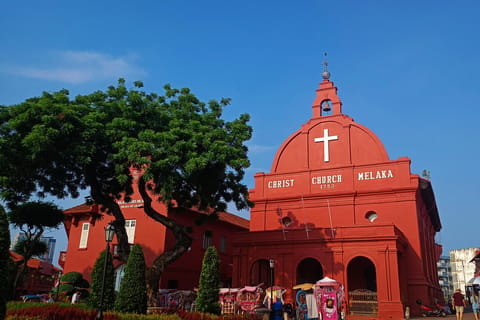
From Kuala Lumpur: Full-Day Tour to Malacca
day_tripA full-day tour to Malacca from Kuala Lumpur allows for a deep, unrushed engagement with the city's character. You will have time to hear the call to prayer echo from the Kampung Kling Mosque's minaret, taste the gritty sweetness of cendol with shaved ice, and feel the cool, shaded air inside the ruins of St. Paul's Church. The tour typically covers the palpable weight of history at A Famosa fortress gate.
It provides the framework and context to fully appreciate Malacca's complex identity, from its sultanate origins to its colonial chapters.
Insider tip: Use any free time in Jonker Street to seek out smaller antique shops tucked away from the main thoroughfare, where you can smell old paper and polished wood.

Firefly Tour Johor Bahru@Kota Tinggi Firefly Park
guided_experienceThe Firefly Tour in Johor Bahru takes you onto the black waters of the Kota Tinggi river after dusk. The world shrinks to the sound of crickets and the gentle splash of the boatman's pole, until you round a bend and see thousands of tiny yellow lights pulsating synchronously in the mangrove trees, creating a spectacle that feels like a living, breathing constellation. You will feel the cool night air and smell the damp, earthy scent of the riverbank.
It is a rare opportunity to witness an impressive natural phenomenon where insects perform a silent, coordinated light show among the roots of berembang trees.
Insider tip: Apply insect repellent before boarding the boat, and use a camera with strong low-light capabilities, as flashes are prohibited and will ruin the experience for everyone.

Rainforest-Cascading Waterfall & Batu Cave (Private Tour)
private_tourThis private tour combines the spiritual and the natural, starting at the immense limestone mouth of the Batu Caves, where you will see the towering golden statue of Lord Murugan and hear the chatter of long-tailed macaques. It then moves to a rainforest waterfall, where you can feel the mist on your skin and hear the thunderous crash of water on rock, a stark contrast to the echoing temple chambers.
It juxtaposes the profound human devotion found at a major Hindu shrine with the raw, untamed power of a Malaysian jungle cascade.
Insider tip: For the caves, visit the main temple area early to avoid the heat and the crowds, and for the waterfall, wear secure water shoes to navigate the slippery rocks.
Where to Stay in Malaysia in September
Hand-picked hotels across price tiers for September travellers.
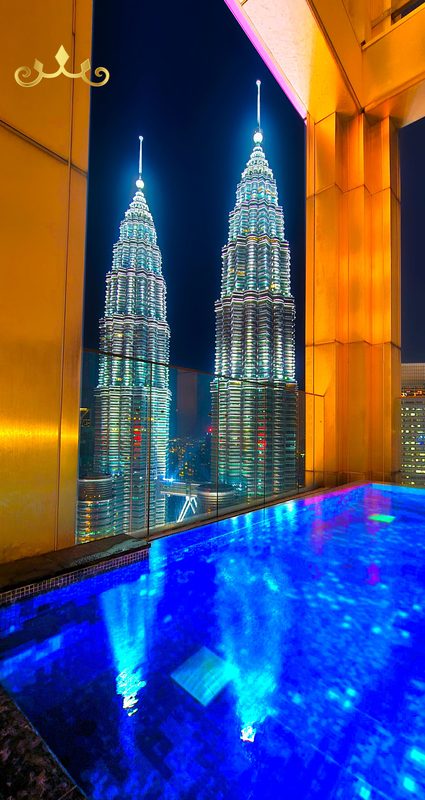
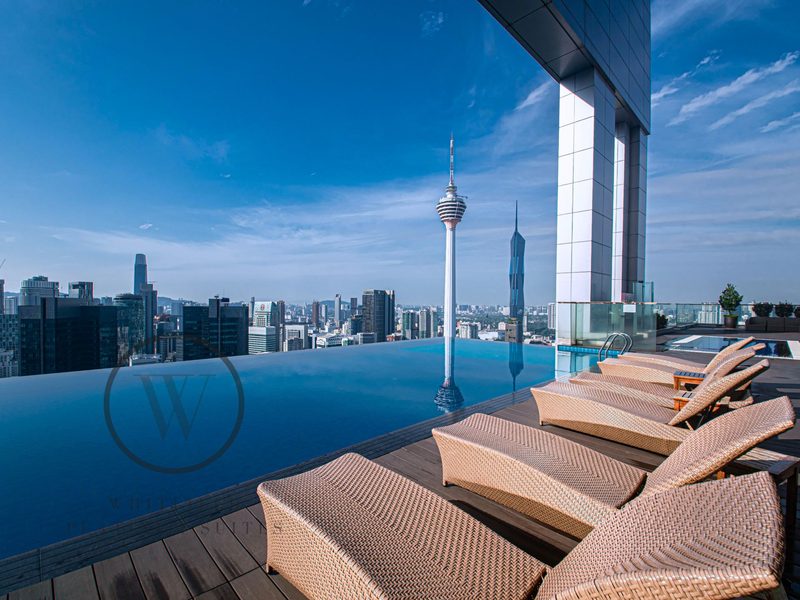
★★★★
Mid-Range
Tropicana the residence klcc Kuala by gold suites
From $54 / night
Check Prices on Trip.com →
Public Holidays in September
Dates that affect opening hours, transport and crowds
Malaysia Day
Observed nationwide as a public holiday. Date calculated from the national holiday calendar.
Malaysia Day
Observed nationwide as a public holiday. Date calculated from the national holiday calendar.
Packing Checklist
Bookmark this page — your progress is saved between visits
Need the full list with shopping links?
Climate-specific gear, brand recommendations, and what to leave at home.
View Malaysia Packing List →Essential Tips
Insider knowledge and common pitfalls to avoid
Insider Knowledge
Locals live by the rain. Mornings from 7 AM to 1 PM stay clear and bright. Schedule temples, beaches, and hikes then. After 2 PM, pivot indoors. Museums, long lunches, malls, massages. Work with the rhythm.
Caught in a Kuala Lumpur downpour? Surrender. Duck into the nearest mall. The KLCC-Bukit Bintang walkways connect them all. Walk for miles in air-conditioned shelter.
The best nasi lemak sells early. Roadside vendors wrap it in brown paper and banana leaf. Follow the pandan scent. It is breakfast food. In September, pack it for early tours. Perfect picnic fuel.
In Penang, skip the famous street art queues. Head to wet markets like Lebuh Cecil at dawn. Listen to the chopping. Smell the herbs and fish. Or find the quiet clan jetties. Life moves with the tide there.
Avoid These Mistakes
Do not overpack your itinerary. East to west coast hops fail when storms delay flights. Pick one base. Kuala Lumpur for culture and food. Langkawi for nature. Go deeper.
Respect the sun. Clouds are not protection. First-day sunburn destroys your trip. Reapply sunscreen constantly. The water intensifies everything.
Not all beaches work in September. The west coast islands, Langkawi and Penang, shine now. The east coast, Perhentian and Redang, closes down. Many east coast resorts shut by late September. Verify operations directly.
Ready to plan your trip to Malaysia?
Now that you've got the research covered, here's where to go next.
Explore More Activities in Malaysia
Didn't see anything interesting yet?
Browse Viator's full catalog of tours, day trips, food experiences, and private guides in Malaysia.
See All Malaysia Tours on Viator