
Things to Do in Malaysia in May
May weather, activities, events & insider tips
Shoulder Season · Good Value
May Weather in Malaysia
Long-run averages for May in Kuala Lumpur
92°F (33°C)
High Temp
77°F (25°C)
Low Temp
9.1 inches (231 mm)
Rainfall
85%
Humidity
13
Rainy Days
11
Sunny-Day UV
⚠ High UV index (11) poses a severe sunburn risk with minimal exposure.
⚠ Sudden, heavy afternoon thunderstorms can cause localized flash flooding in urban areas. Watch the skies.
Is May Right for You?
Weigh the advantages and considerations before booking
Advantages
- + May hits the sweet spot. You get the heavy rains of April behind you, with the drier, crowded months still ahead. The landscapes stay lush and emerald without the constant downpours. The famous east coast islands like the Perhentians or Redang are just opening up for the season. The monsoon shuts them down for half the year.
- + Crowds stay thin. This matters. Compare June and July. You can walk into Melaka's Jonker Street night market without shoulder-to-shoulder herding. You can find a sliver of sand to yourself on Langkawi's Tanjung Rhu beach. That space vanishes by mid-summer.
- + The fruit season kicks into high gear. You'll find durian at its pungent, creamy peak. Roadside stalls in Balik Pulau, Penang, sell them. The king of fruits isn't the only star. Look for rambutans with hair-like spines. Mangosteens have purple-black shells and snow-white segments. Local mangoes pack a sweet-tart punch.
- + Airfare and accommodation prices often dip in this shoulder season. You're not paying peak-season premiums yet. You're also not dealing with the 'everything is closed' scenario of the true monsoon. It's a decent value window. Stay flexible.
Considerations
- − The humidity in Malaysia in May feels like a warm, wet towel wrapped around you. Step outside. Feel it. At 85%, it oppresses in the cities. You'll seek refuge in air-conditioned malls. Plan outdoor exploits for the very early morning.
- − Rainfall is less than April. Still, expect 13 days with rain. These aren't all-day affairs. They're intense, theatrical afternoon thunderstorms. They roll in around 3 pm. They dump a month's worth of London rain in 45 minutes. The streets steam afterward. Build in flexibility. They will disrupt your plans.
- − The sea state on the west coast (Penang, Langkawi) turns choppier and less predictable in May. Boat trips to smaller islands might get cancelled. Snorkeling tours too. The wind picks up. This happens more often now than in the dead-calm months of January or February.
Best Activities in May
Top things to do during your visit
In Malaysia, May occupies a transitional space in the climatic calendar. The month follows the heavier rains of April, with average rainfall of 9.1 inches, offering a relative lull before the drier patterns of June and July settle in. Daytime temperatures consistently reach an average high of 33°C, with nights cooling to around 25°C, creating a rhythm of warm, often humid days and balmy evenings. This is a time when the pace feels steady, with locals navigating the predictable afternoon showers that leave the air smelling of damp earth and refreshed foliage. The light has a particular clarity after a rain, catching the gleaming surfaces of modern towers and the intricate woodwork of aged shophouses with equal intensity. Travelers considering their itinerary for Malaysia will find May a practical month for movement across the country, from the historic Straits of Malacca to the rainforest fringes. The weather is a constant, shaping daily plans. Mornings are often clear and bright, good for exploring before the potential build-up of clouds. It is a period defined by the sensory contrasts of the tropics, the feel of cool marble underfoot in a grand colonial building versus the enveloping warmth of the street, the taste of creamy coconut in a savory curry, the sight of crimson hibiscus blooms weighed down by recent rain.
From Kuala Lumpur: Historical Malacca Tour with Lunch option
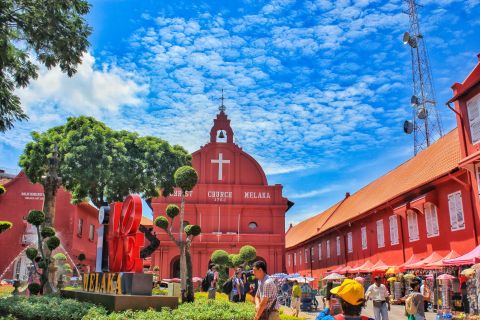
culturalThis guided excursion transports you to the UNESCO-listed city of Malacca, where you can see the weathered red facade of Christ Church and hear stories of sultanates, Portuguese conquests, and Dutch trade. You will walk along the Jonker Street thoroughfare, past shops selling antiques and smelling of melted wax from candle-making, with the option to sample local specialties like chicken rice balls for lunch.
It provides a concentrated narrative of Malaysia's layered history, told through its most preserved colonial port.
Insider tip: Wear comfortable, slip-on shoes as you will be frequently removing them to enter temples and mosques along the route.
Kuala Lumpur: Malacca Day Trip with River Cruise and Lunch
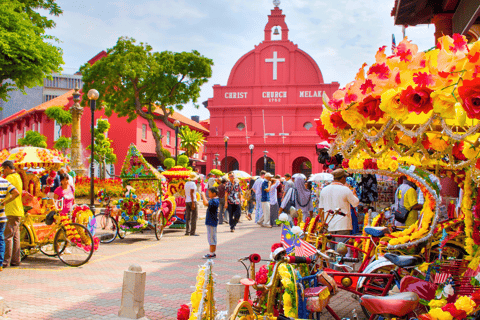
cruiseThis tour combines the historical exploration of Malacca with a perspective from its important waterway, gliding past restored warehouses and street art murals on a gentle river cruise. The journey includes a lunch of Peranakan cuisine, where you might taste the complex, sour-and-spicy flavors of a nyonya curry.
The river cruise reveals a quieter, artistic side of Malacca unseen from its busy streets.
Insider tip: Request a seat on the left side of the boat when departing the jetty for the best views of the larger murals.

Batik Bag Painting Workshop by myBatik
otherUnder guided instruction, you will learn the precise technique of applying hot wax with a canting tool onto cotton, hearing the faint sizzle as it makes contact, before painting your design with lively dyes to create a functional tote bag. The workshop space is filled with the faint, pleasant smell of beeswax and the sight of drying silk sarongs in a rainbow of colors.
It has a tactile, creative immersion into one of Malaysia's most revered traditional crafts.
Insider tip: Choose a simpler geometric pattern for your first attempt to master the wax flow before attempting intricate floral motifs.
From Kuala Lumpur: Full-Day Tour to Malacca
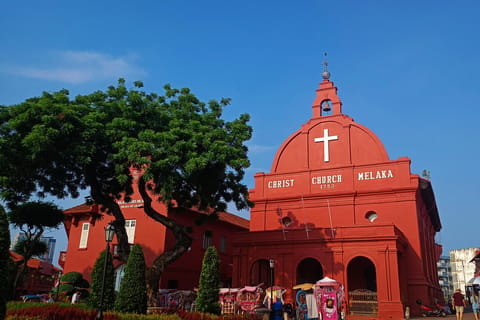
day_tripThis complete day trip covers key landmarks like the Porta de Santiago gateway and the commanding views from St. Paul's Hill, where you can feel the cool stone of the ruined church walls. It includes a trishaw ride through decorated streets ringing with bells and pop music, and a meal showing Malaccan dishes.
It efficiently packages the essential sights and flavors of Malacca for travelers with limited time.
Insider tip: Bring a small umbrella or rain jacket. The tour proceeds rain or shine, and afternoon showers are possible.

Firefly Tour Johor Bahru@Kota Tinggi Firefly Park
guided_experienceAfter dusk, a small boat carries you along a mangrove-lined river in Johor, where the quiet is broken only by the chirping of insects and the gentle dip of the oar. Suddenly, thousands of fireflies illuminate the berembang trees, their synchronized flashing creating the effect of a thousand tiny, pulsating Christmas lights in the darkness.
It is a memorable, natural spectacle that feels entirely separate from Malaysia's urban centers.
Insider tip: Apply insect repellent to ankles and wrists before boarding the boat, and wear dark clothing to avoid disturbing the fireflies.

Rainforest-Cascading Waterfall & Batu Cave (Private Tour)
private_tourThis private tour contrasts spiritual and natural wonders, beginning at the Batu Caves, where you will climb the 272 steps past chattering long-tailed macaques to see the golden statue of Lord Murugan and feel the cool, cavernous air of the temple cave. It then journeys to a rainforest waterfall for a picnic lunch beside the clear, cool pools.
It pairs a well-known cultural site with a refreshing, secluded natural retreat in one smooth journey.
Insider tip: For the waterfall visit, pack a quick-dry towel and secure waterproofing for your electronics against the mist and potential spray.
Where to Stay in Malaysia in May
Hand-picked hotels across price tiers for May travellers.
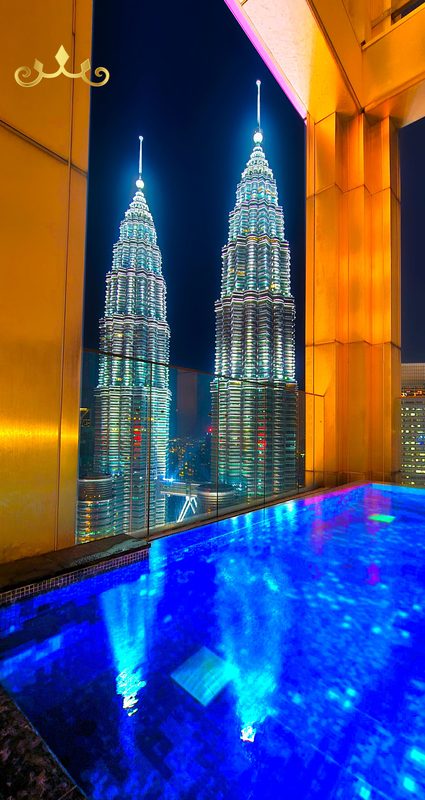
★★★★
Mid-Range
Tropicana the residence klcc Kuala by gold suites
From $54 / night
Check Prices on Trip.com →
Public Holidays in May
Dates that affect opening hours, transport and crowds
Labor Day
Observed nationwide as a public holiday. Date calculated from the national holiday calendar.
Eid al-Adha
Observed nationwide as a public holiday. This date depends on observation rather than a fixed calendar, so confirm it locally closer to the time. Date not yet confirmed.
Eid al-Adha
Observed nationwide as a public holiday. Granted in lieu when the holiday falls at a weekend. This date depends on observation rather than a fixed calendar, so confirm it locally closer to the time. Date not yet confirmed.
Vesak Day
Observed nationwide as a public holiday. This date depends on observation rather than a fixed calendar, so confirm it locally closer to the time. Date not yet confirmed.
Labor Day
Observed nationwide as a public holiday. Date calculated from the national holiday calendar.
Eid al-Adha
Observed nationwide as a public holiday. This date depends on observation rather than a fixed calendar, so confirm it locally closer to the time. Date not yet confirmed.
Vesak Day
Observed nationwide as a public holiday. This date depends on observation rather than a fixed calendar, so confirm it locally closer to the time. Date not yet confirmed.
Islamic New Year
Observed nationwide as a public holiday. This date depends on observation rather than a fixed calendar, so confirm it locally closer to the time. Date not yet confirmed.
Packing Checklist
Bookmark this page — your progress is saved between visits
Need the full list with shopping links?
Climate-specific gear, brand recommendations, and what to leave at home.
View Malaysia Packing List →Essential Tips
Insider knowledge and common pitfalls to avoid
Insider Knowledge
The best durian isn't at fancy shops. Drive the winding roads of Balik Pulau in Penang or Raub in Pahang in the late afternoon. Look for pickup trucks parked under trees with a crowd of locals. That's where you'll get the good stuff, eaten off a sheet of newspaper. Trust the trucks.
If an afternoon storm kills your beach plans, that's *cendol* time. Seek out the specific, often ancient, *cendol* stalls (like Penang Road Famous Teochew Chendul). The shaved ice, coconut milk, palm sugar, and green rice flour jelly taste infinitely better when you're hiding from the rain. Embrace the delay.
Book intercity travel on the day *after* a major public holiday if you can. Trains and buses are often packed with Malaysians returning from their *kampung* (hometown) the day a holiday ends. Wait one day.
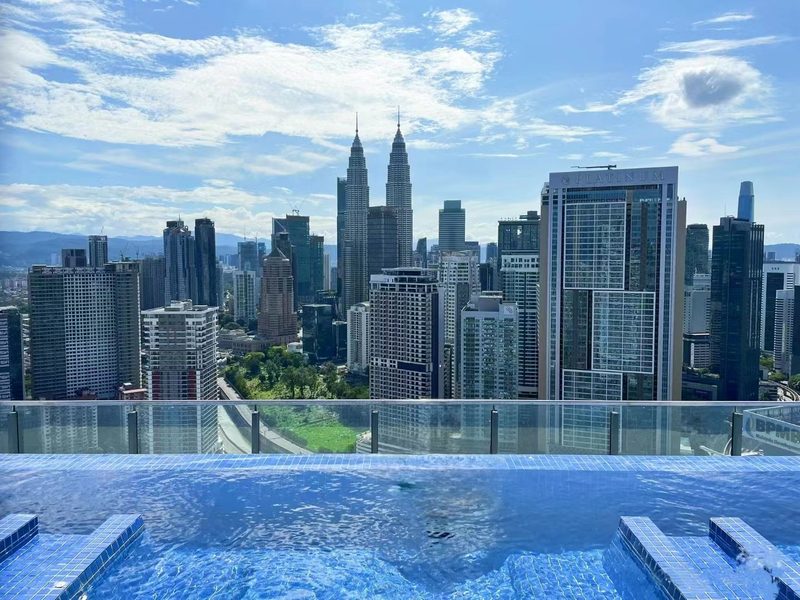
Forget fancy clubs. In Kuala Lumpur, the best nightlife in May is at the rooftop bars (like the one at the SkyBar) just after an evening rainstorm. The city lights shimmer on the wet streets below, the air is momentarily cool, and the Petronas Towers look like they're rising from a cloud of steam. Go up.
Avoid These Mistakes
Scheduling anything important for mid-to-late afternoon without a rain plan. That 3 pm museum visit? It might be preceded or followed by a torrential downpour that makes grabbing a taxi impossible for 30 minutes. Always have shelter nearby.
Underestimating the sheer exhaustion of the humidity. Trying to pack a full day of non-stop outdoor activity from 9 am to 6 pm will leave you dehydrated and miserable. Follow the local rhythm: early start, long midday break, evening revival. Pace yourself.
Assuming all beaches are created equal in May. The east coast (Perhentians, Redang) is pristine. The west coast (Penang, Langkawi) can have brownish water from churned-up sediment after storms. Adjust your expectations and your destination accordingly. Choose wisely.
Ready to plan your trip to Malaysia?
Now that you've got the research covered, here's where to go next.
Explore More Activities in Malaysia
Didn't see anything interesting yet?
Browse Viator's full catalog of tours, day trips, food experiences, and private guides in Malaysia.
See All Malaysia Tours on Viator